
New Hedge
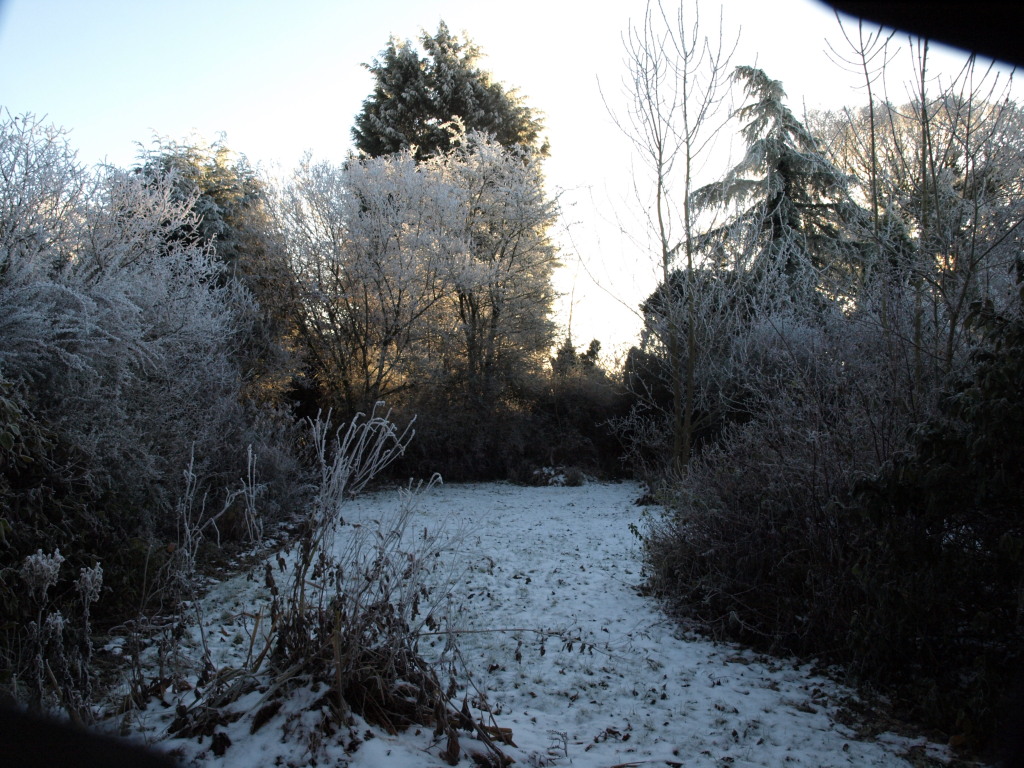
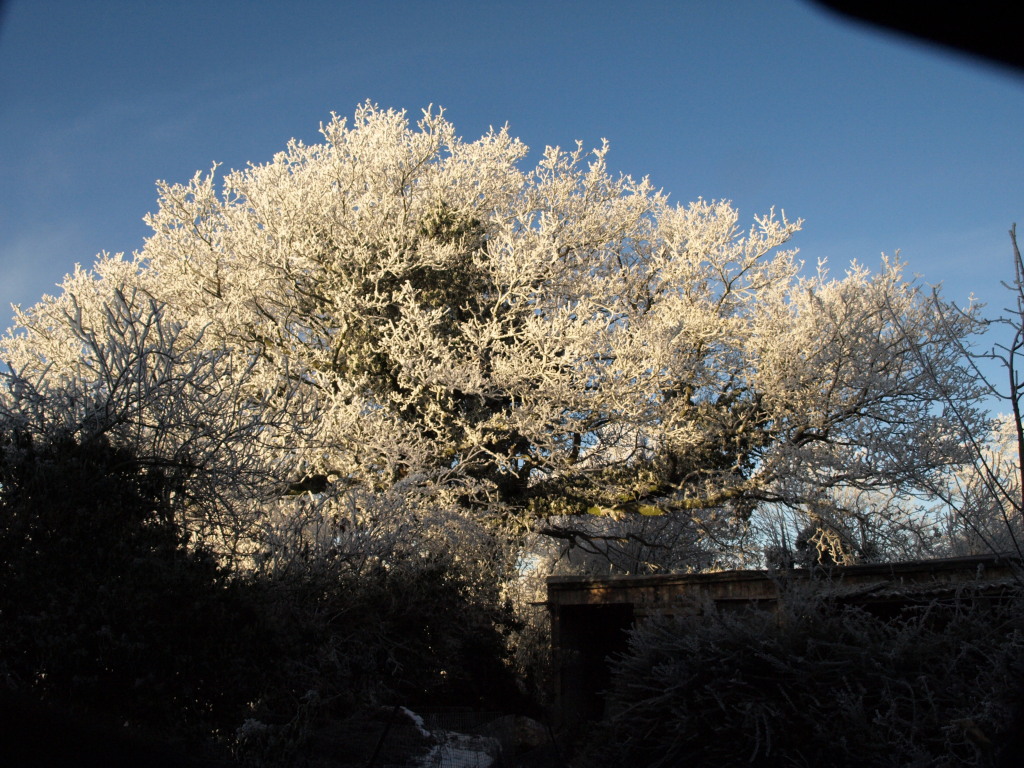
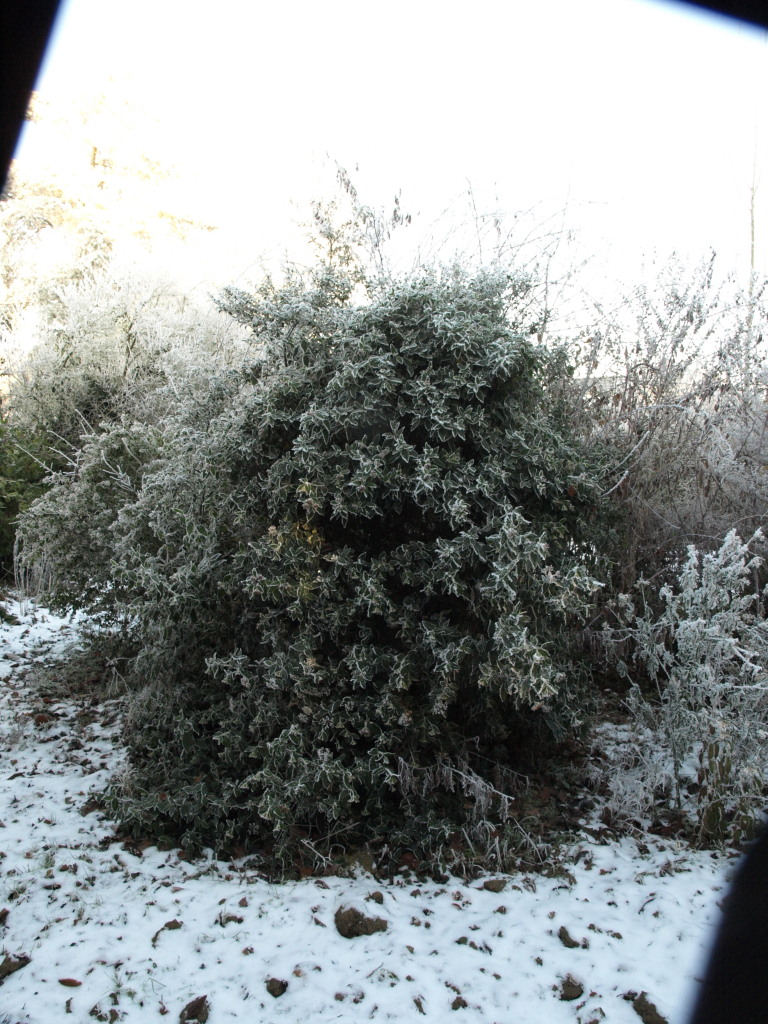
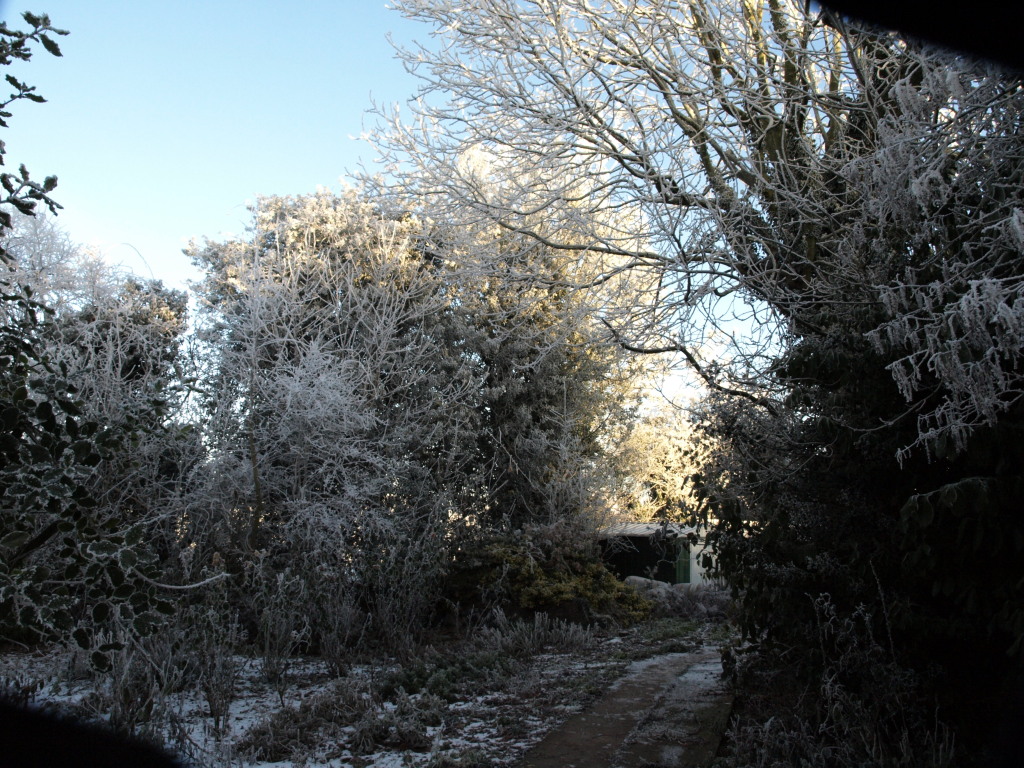
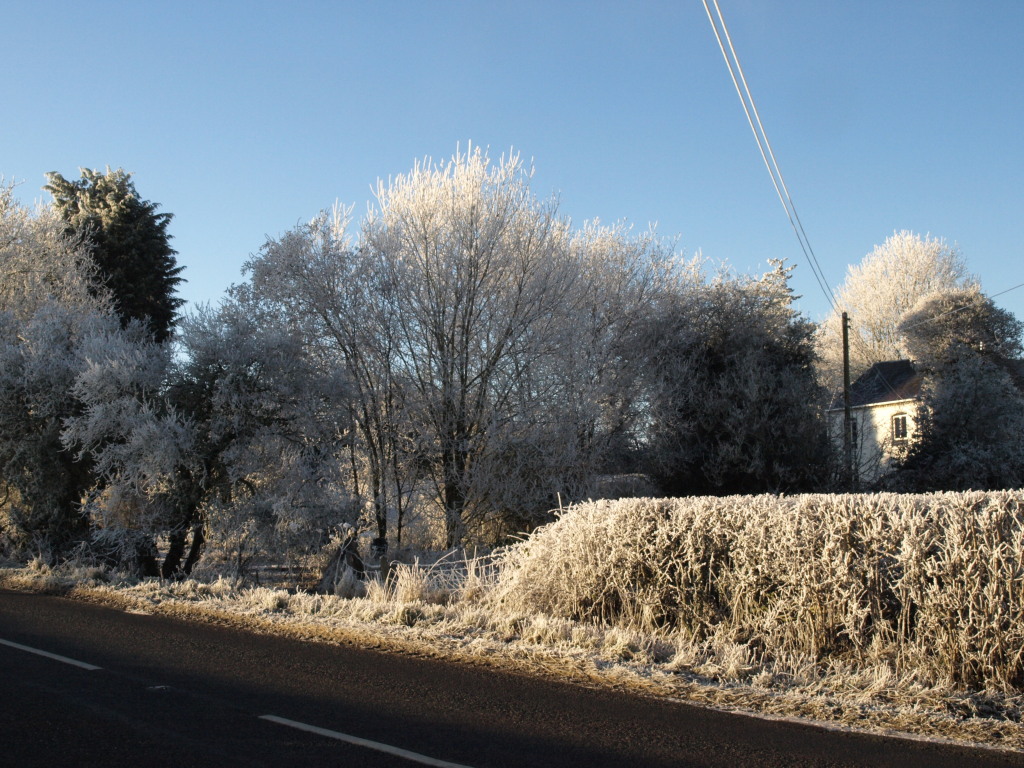
During the months of November and December 2010 we had a very cold spell with temperatures continuously well below freezing for several weeks and at one time it stayed below -15°C for almost a week dropping below 20°C at night.
See the Winter page for pictures
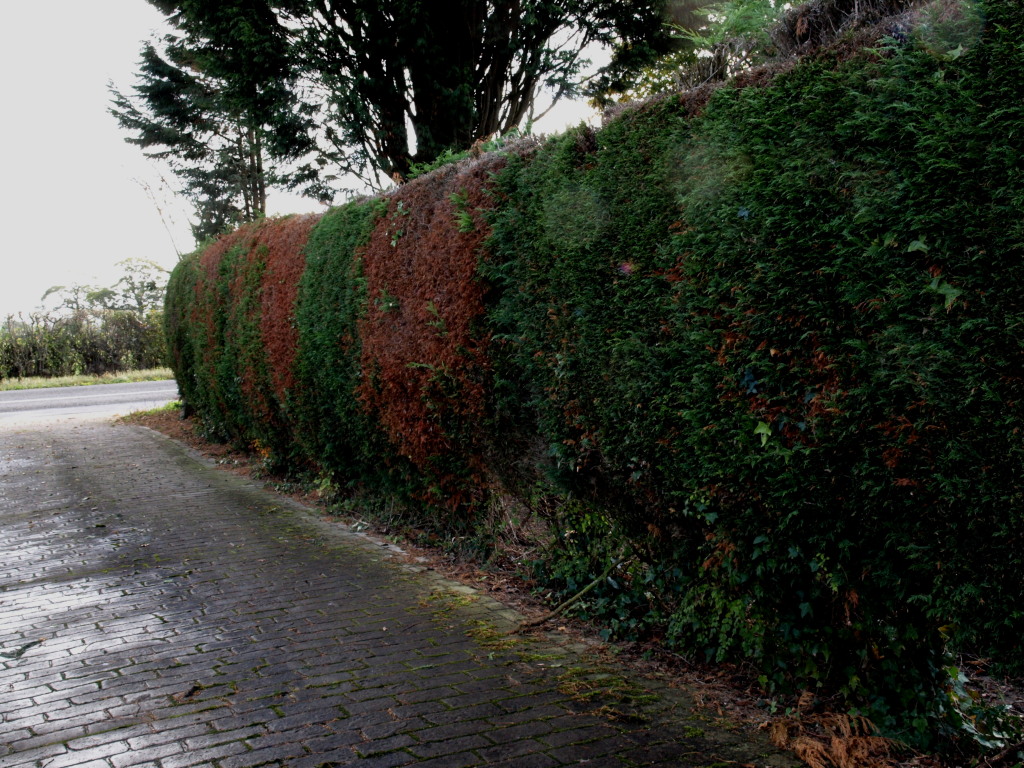
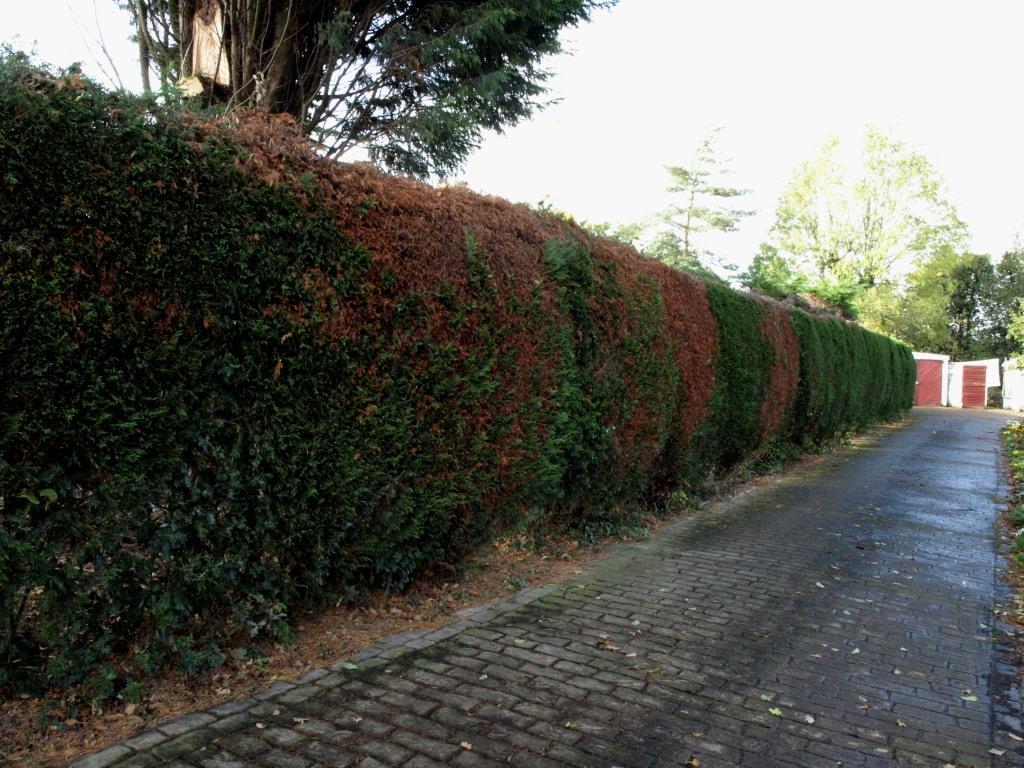
Most parts of the country had heavy snow but we only had a light 2cm sprinkling until the end of this cold snap which meant that everything was covered in hoar frost with no insulation from the snow. This particularly affected the trees and shrubs and several died. It also killed the whole of the back (south side) of the cypress hedge running down the drive and parts of the front as well. I was particularly proud of this hedge having grown it from cuttings (Leylandii) and seedlings (Lawsonii) in the 1970s. However, some of it was beginning die back after constant trimming over the years trying to stop it overgrowing the drive so maybe it was time to replace it anyway.
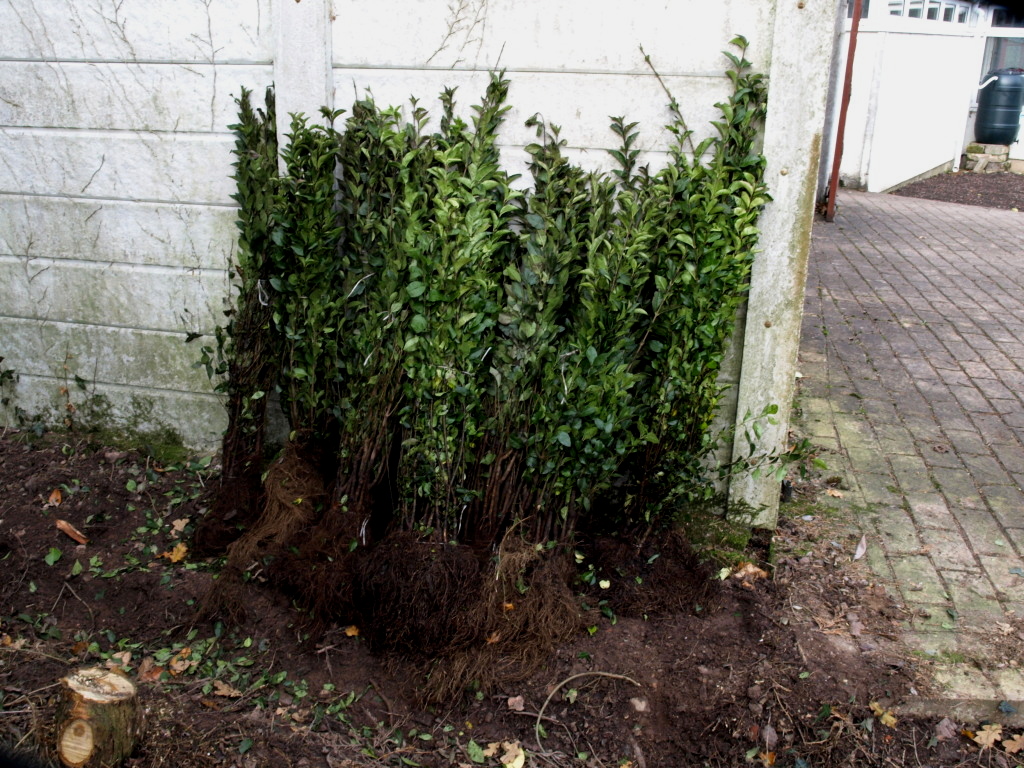
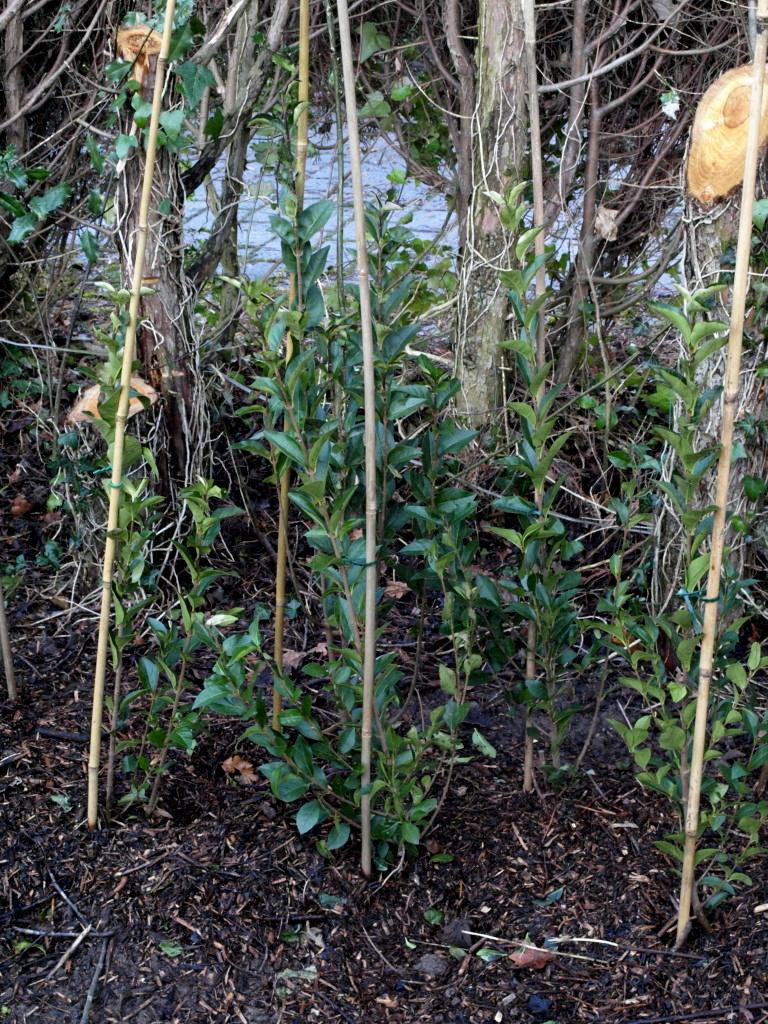
I hoped that maybe it would recover during the spring and summer but it stayed dead, brown and lifeless so, when the autumn came we decided to replace it with a new hedge, this time choosing privet, which should be easier to look after as we get older. Cypress hedges only need cutting once a year but they are difficult to manage, especially the top which grows very fast and often needs a saw to keep it in shape. Privet needs cutting twice a year but it has much thinner stems and can be cut entirely with a hedge trimmer. It is also hardier than cypress.
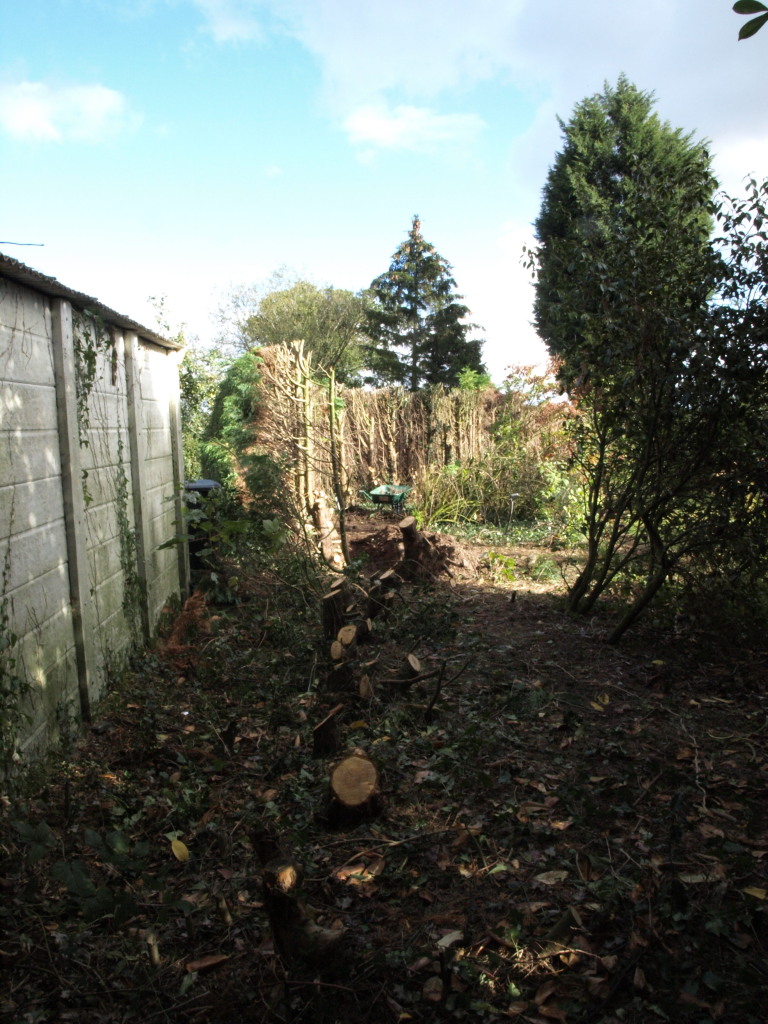
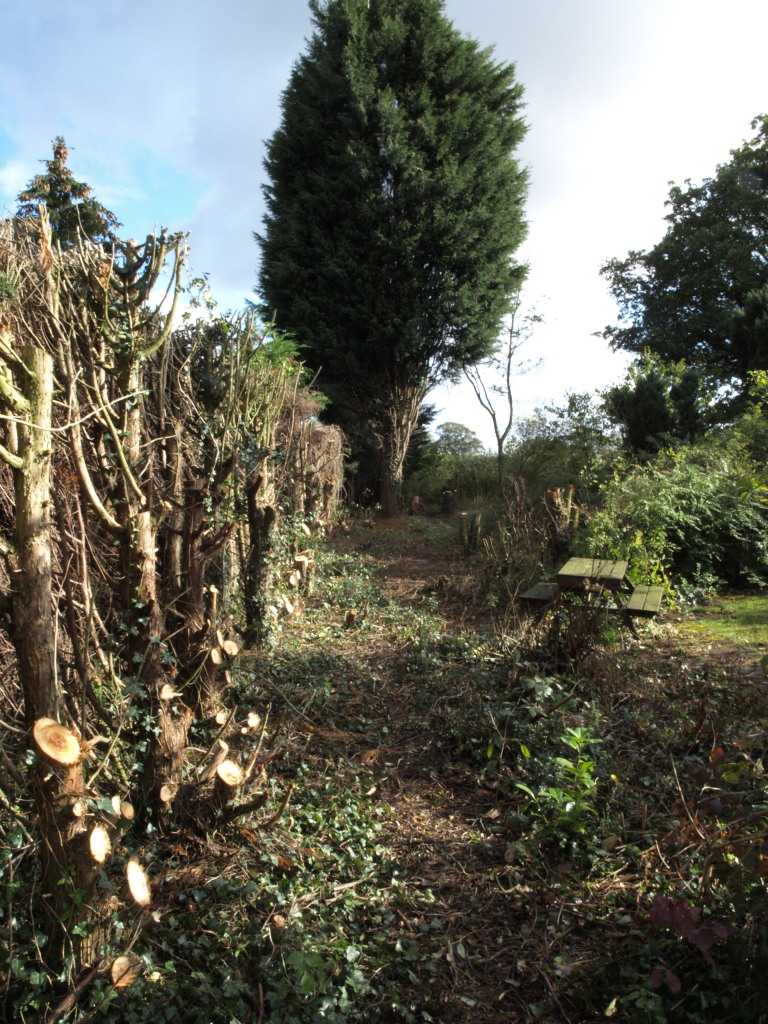
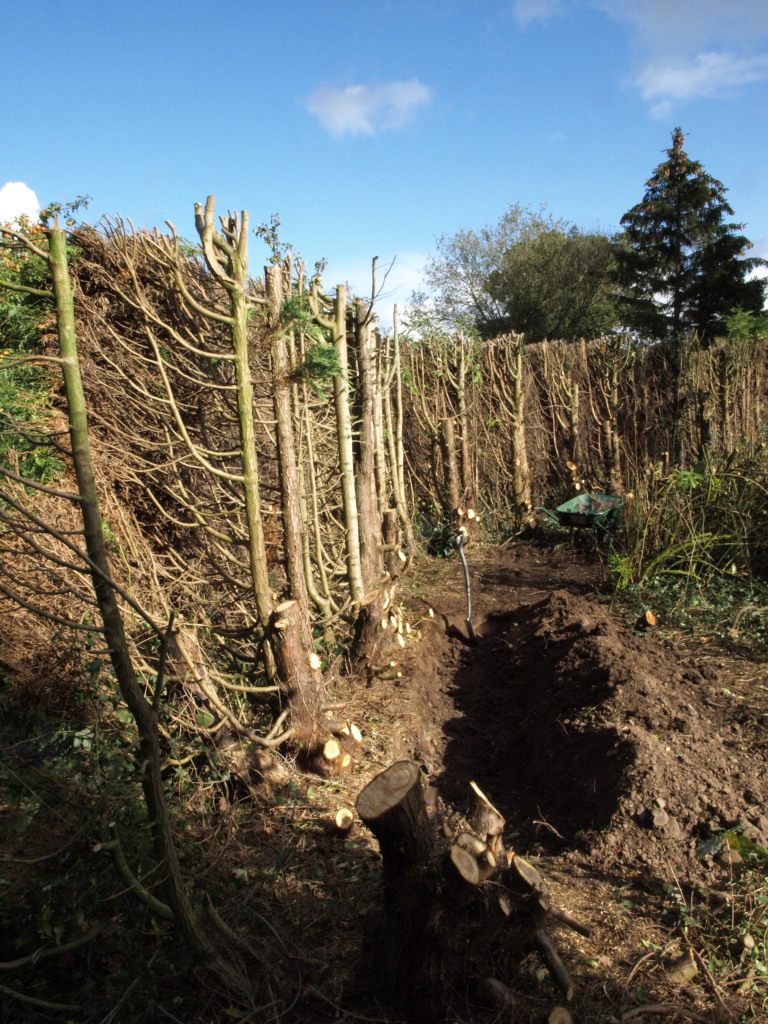
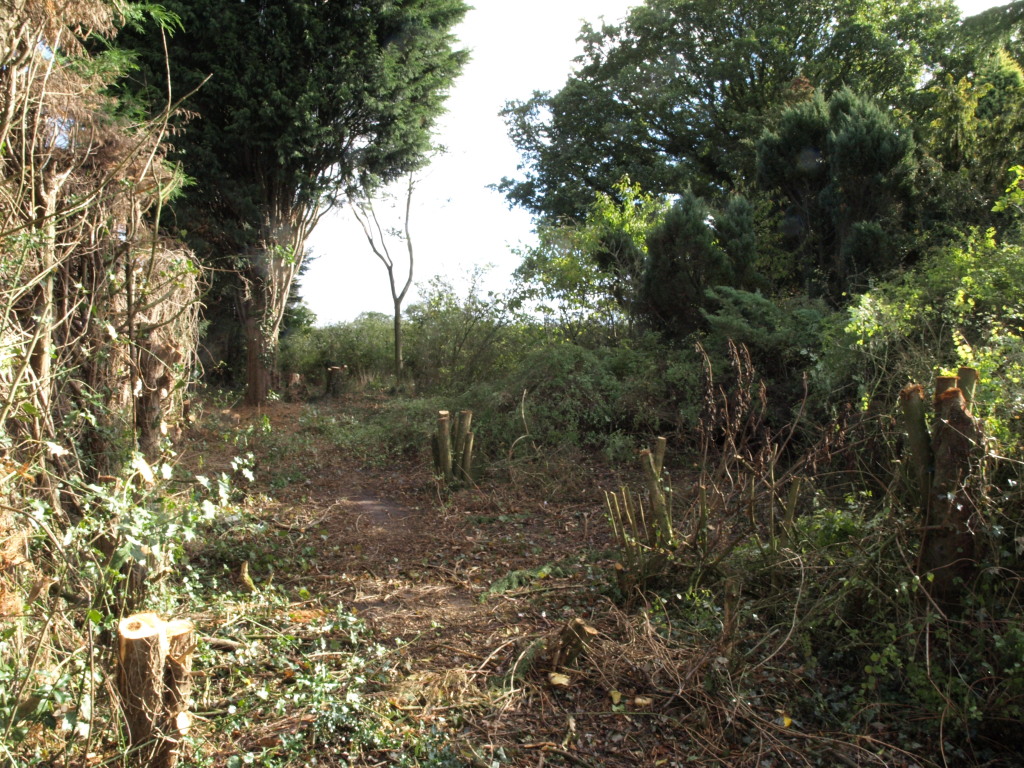
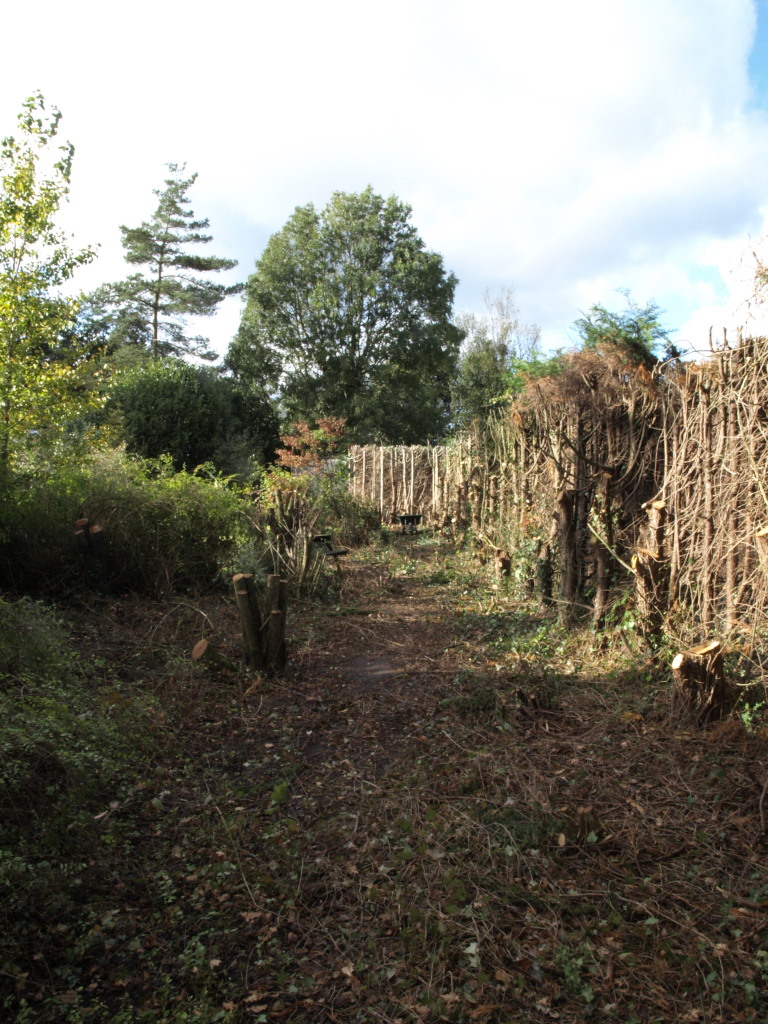
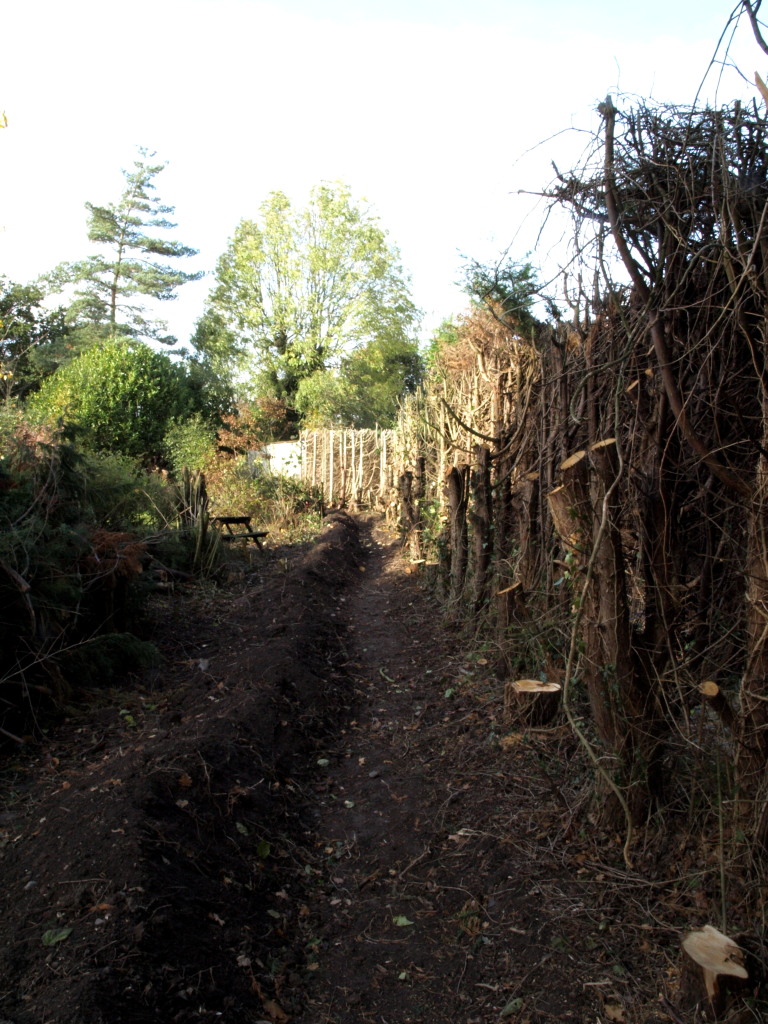
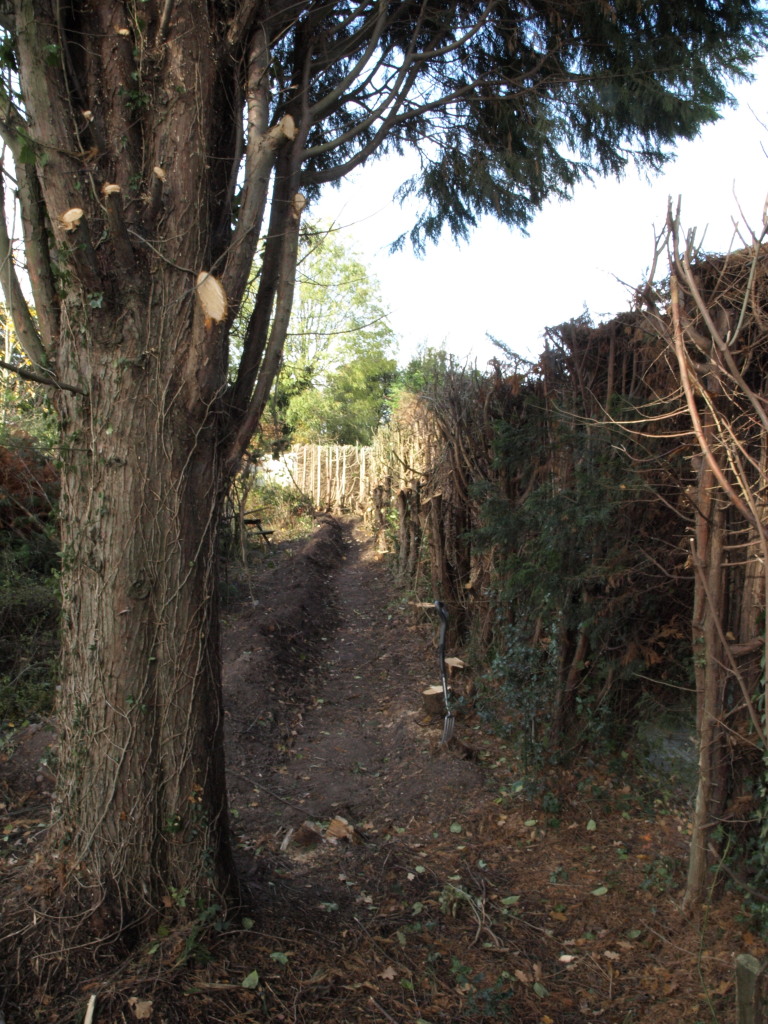
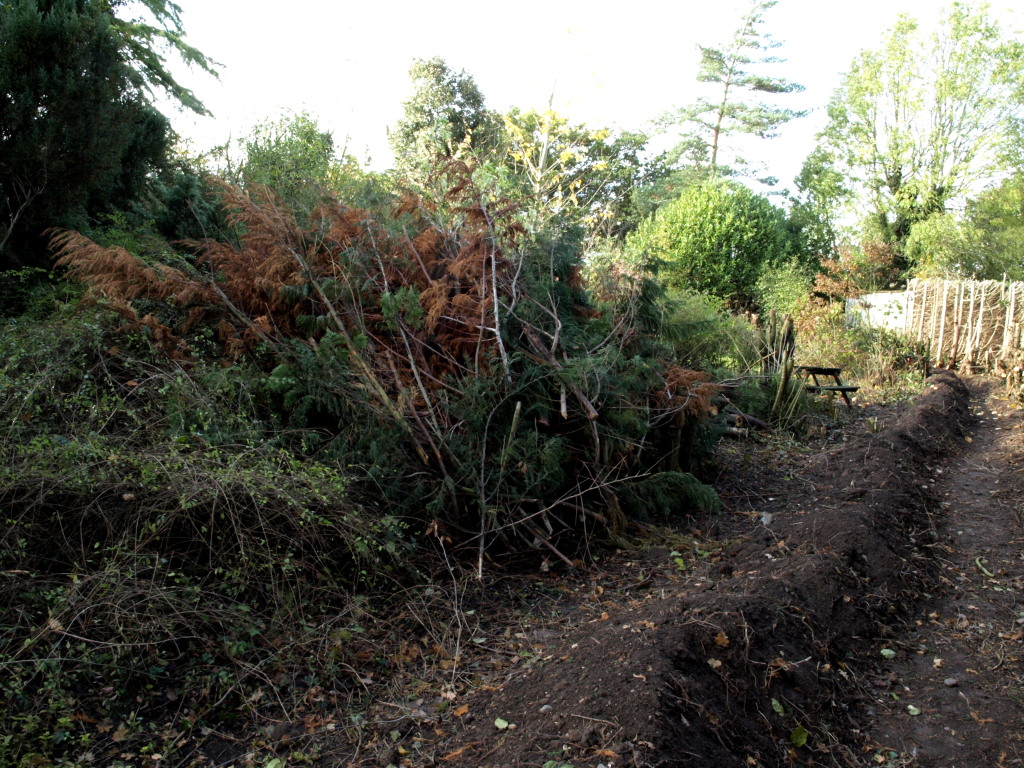
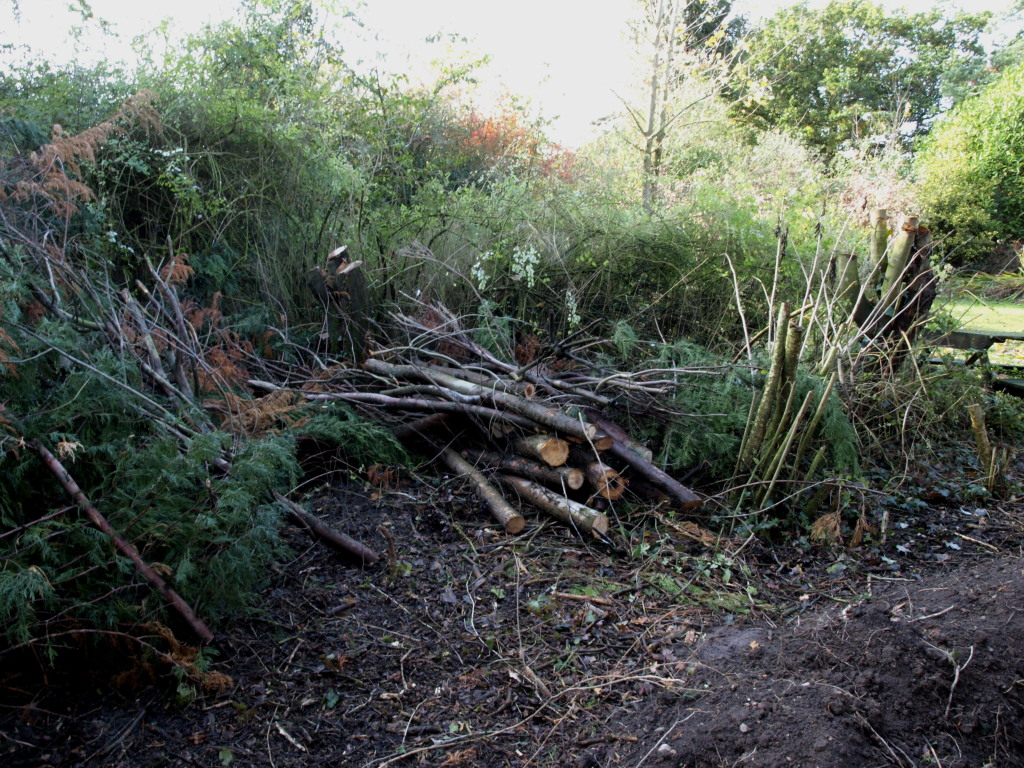
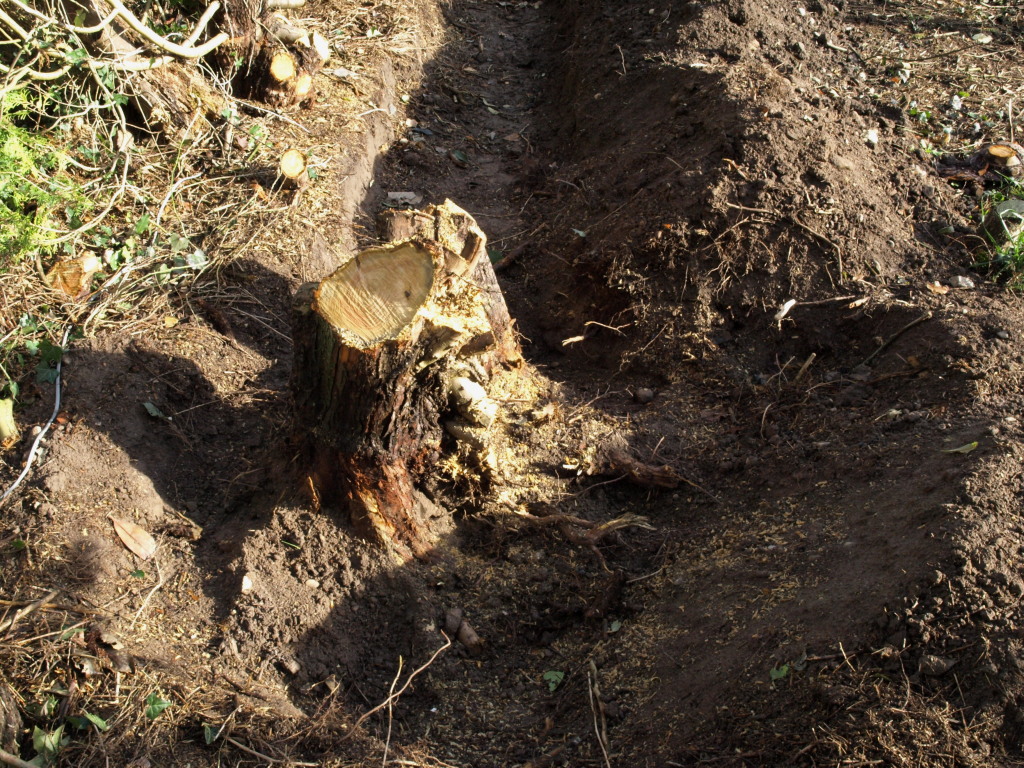
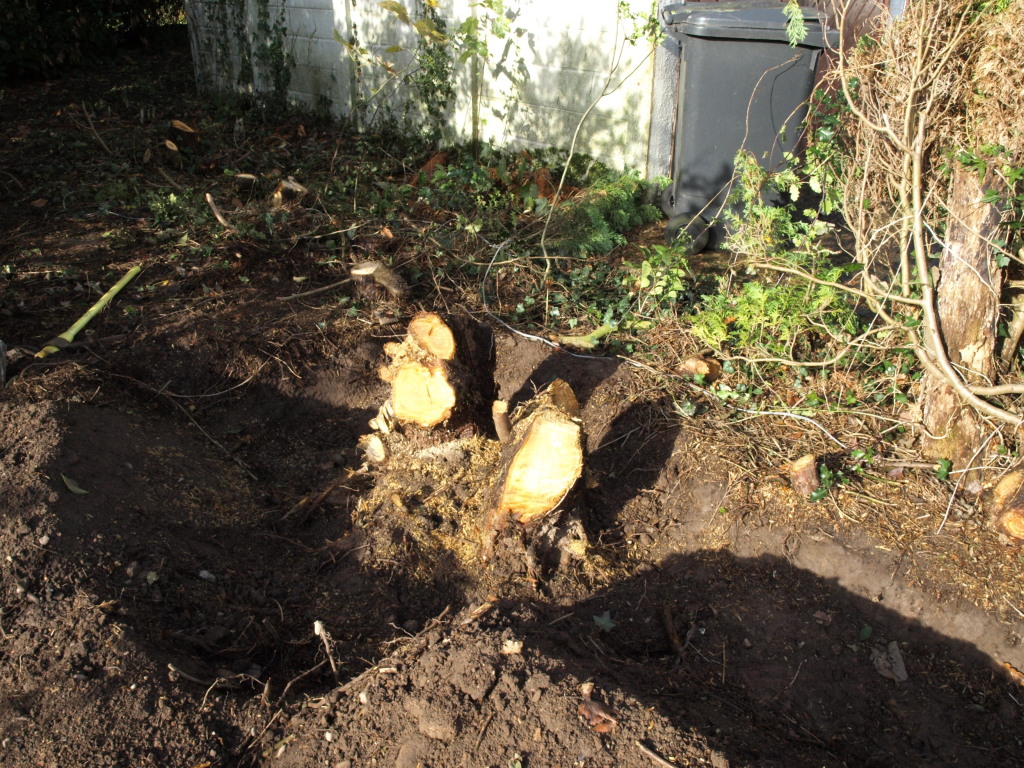
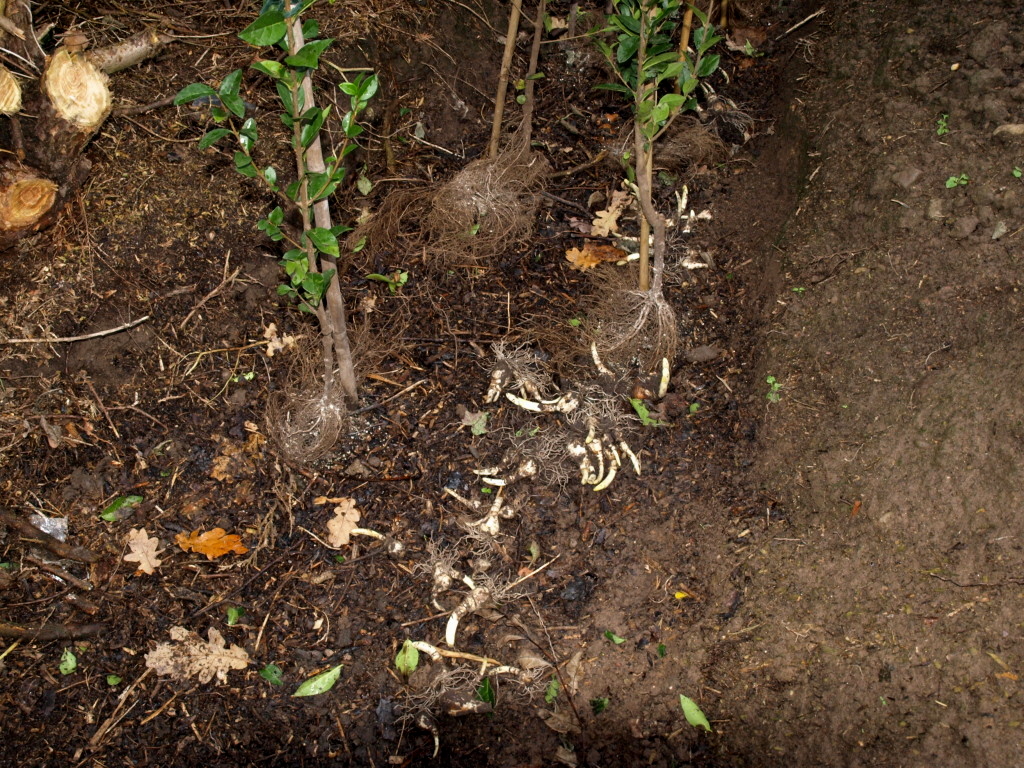
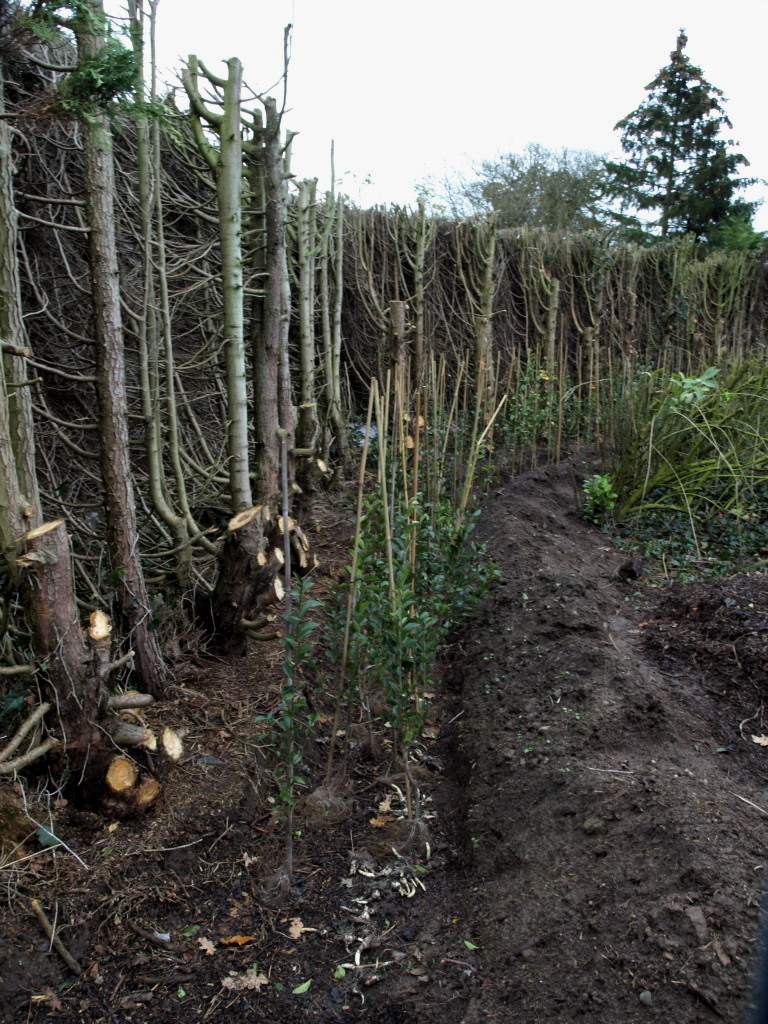
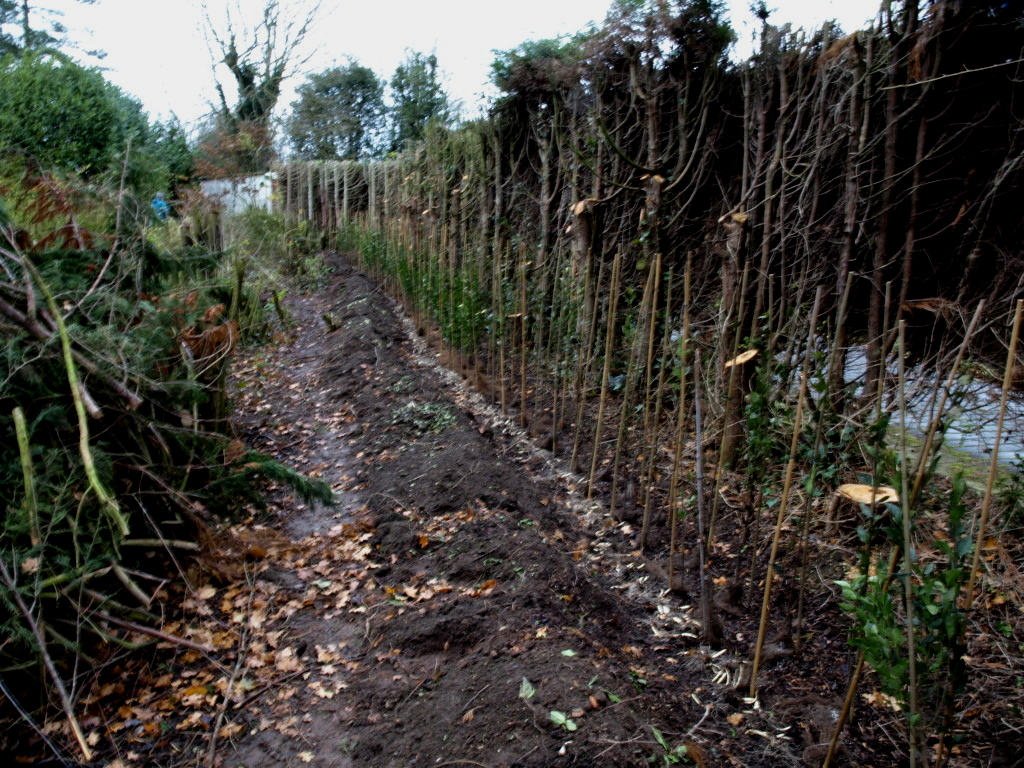
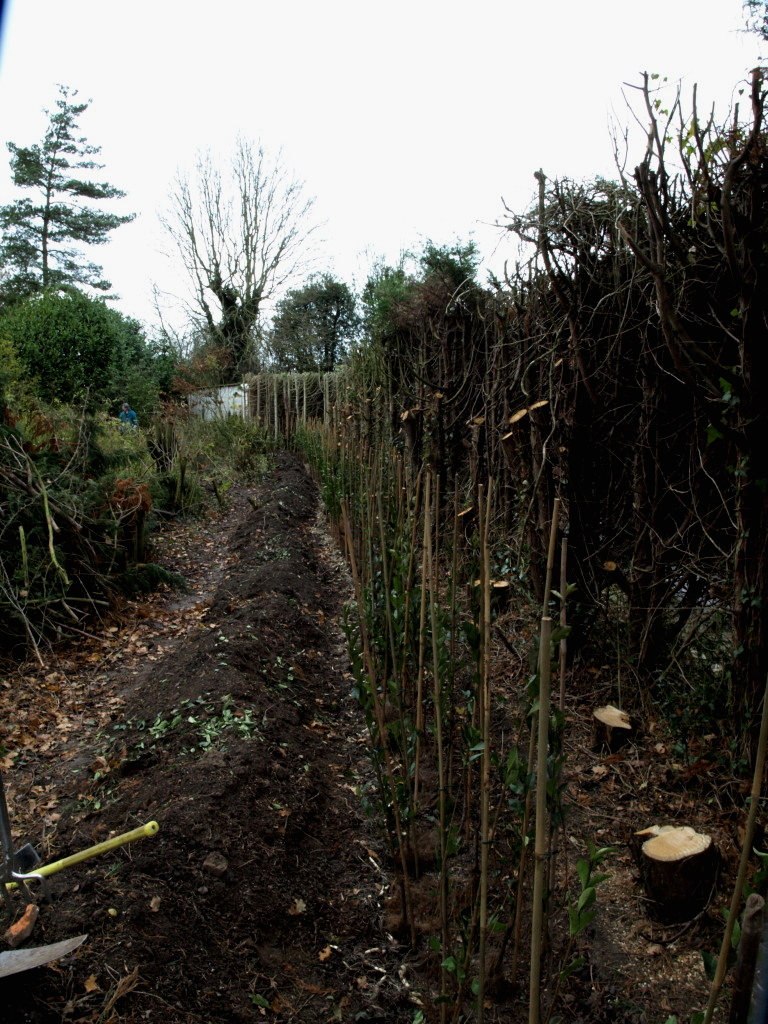
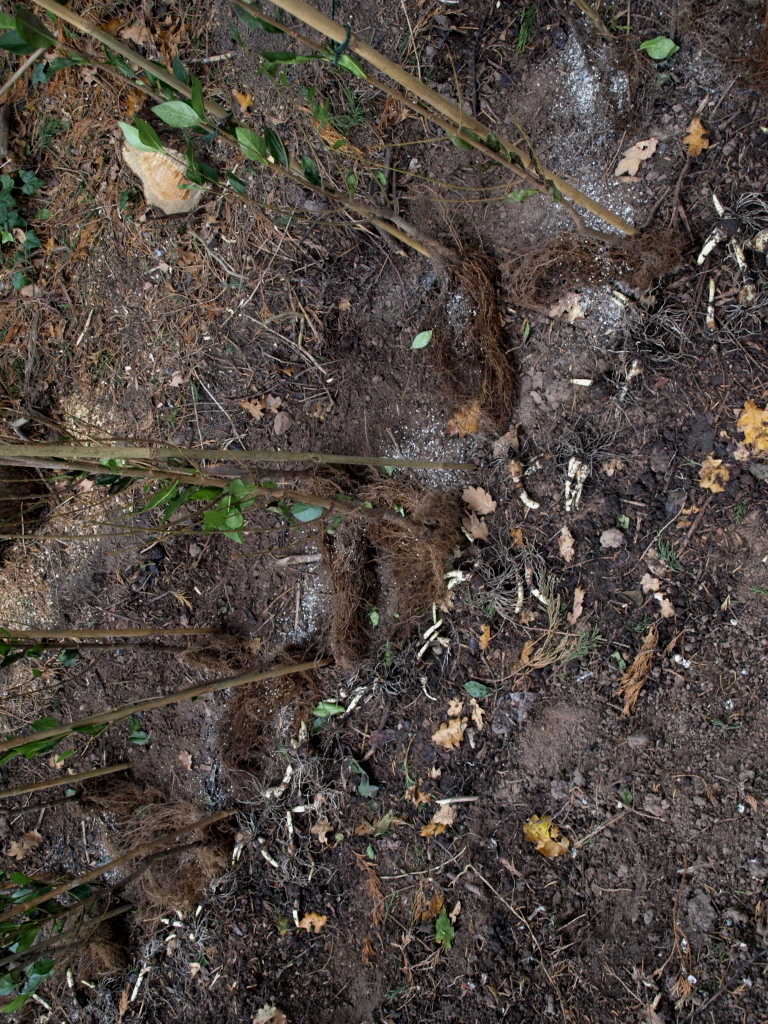
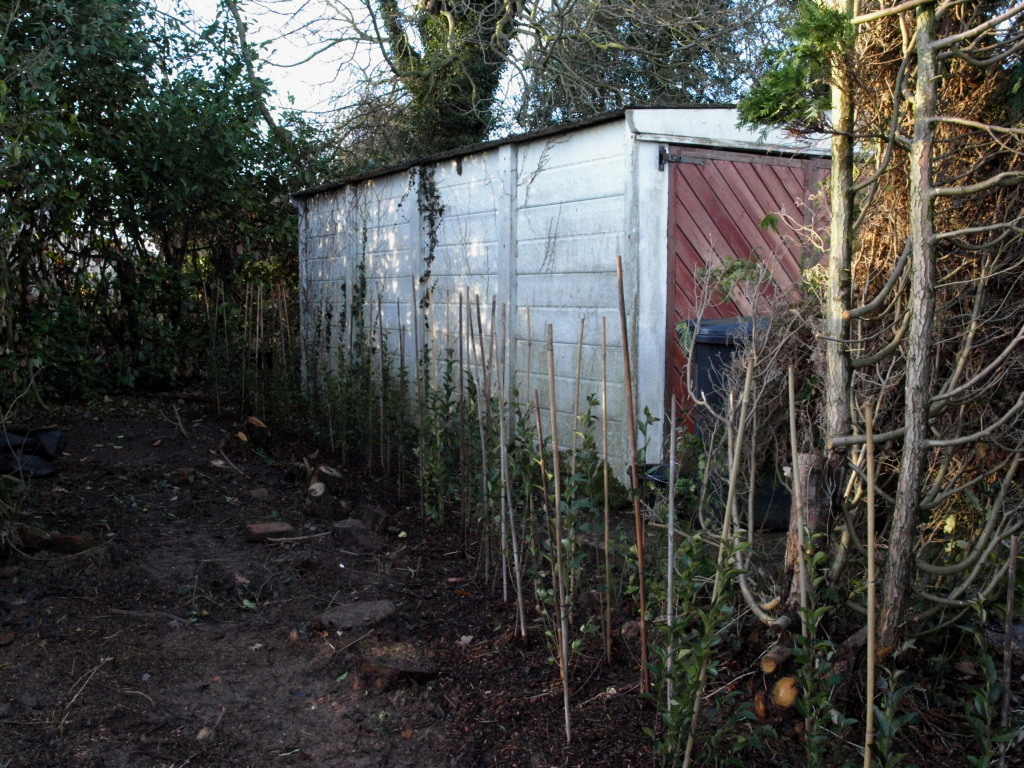
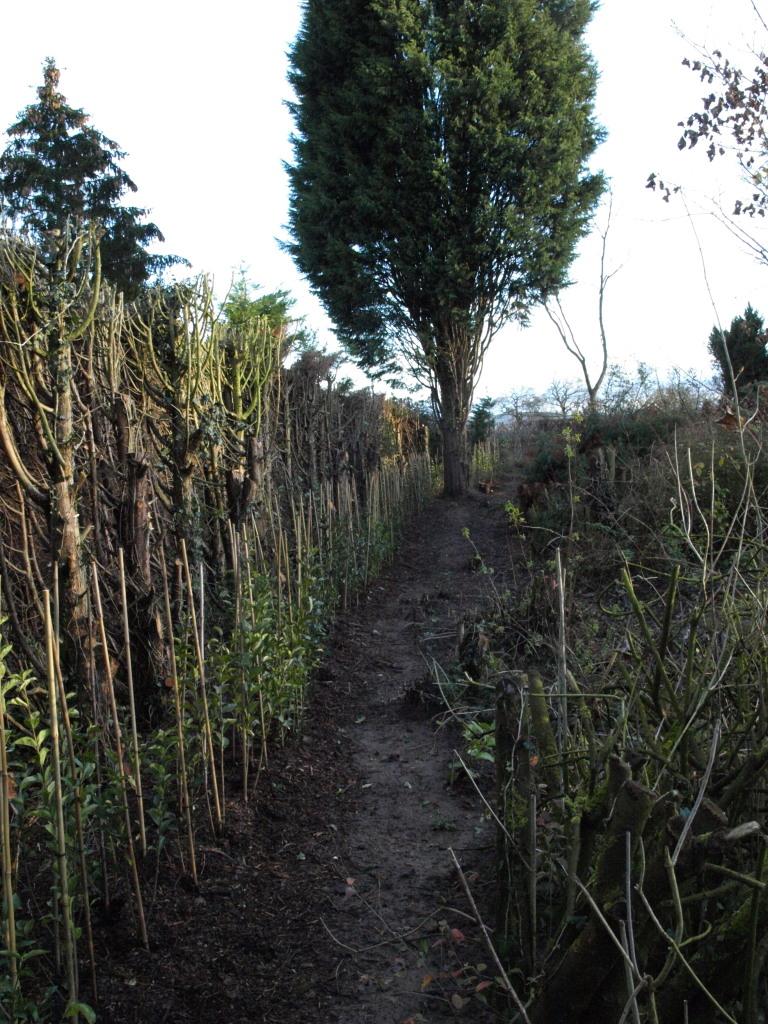
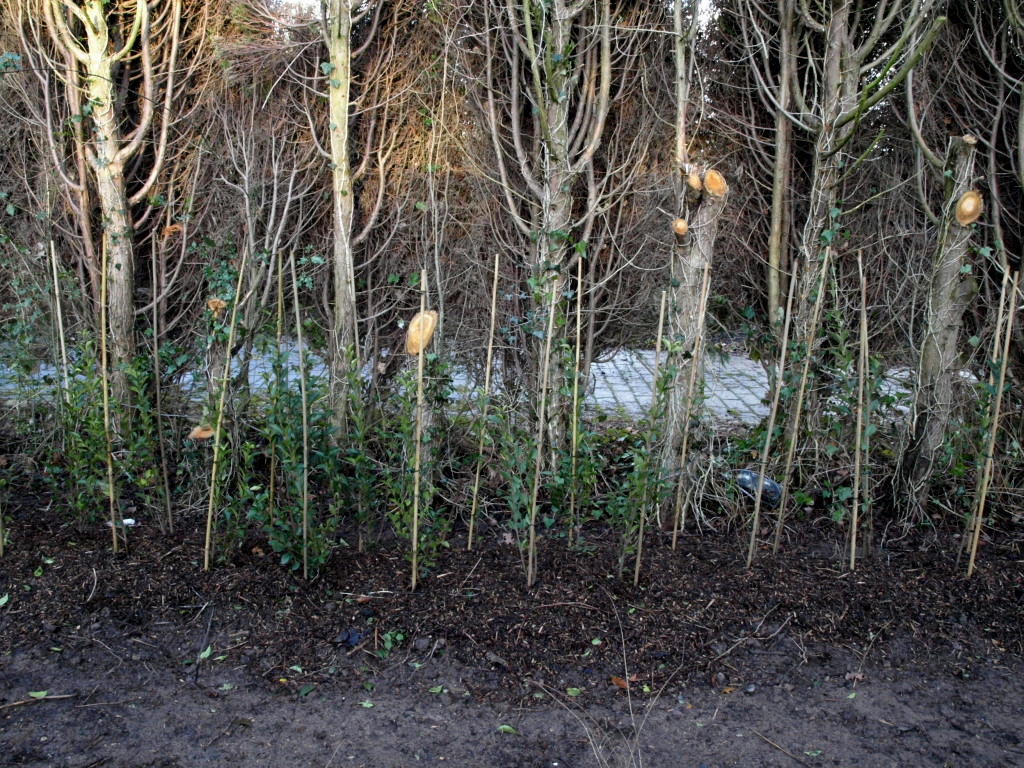
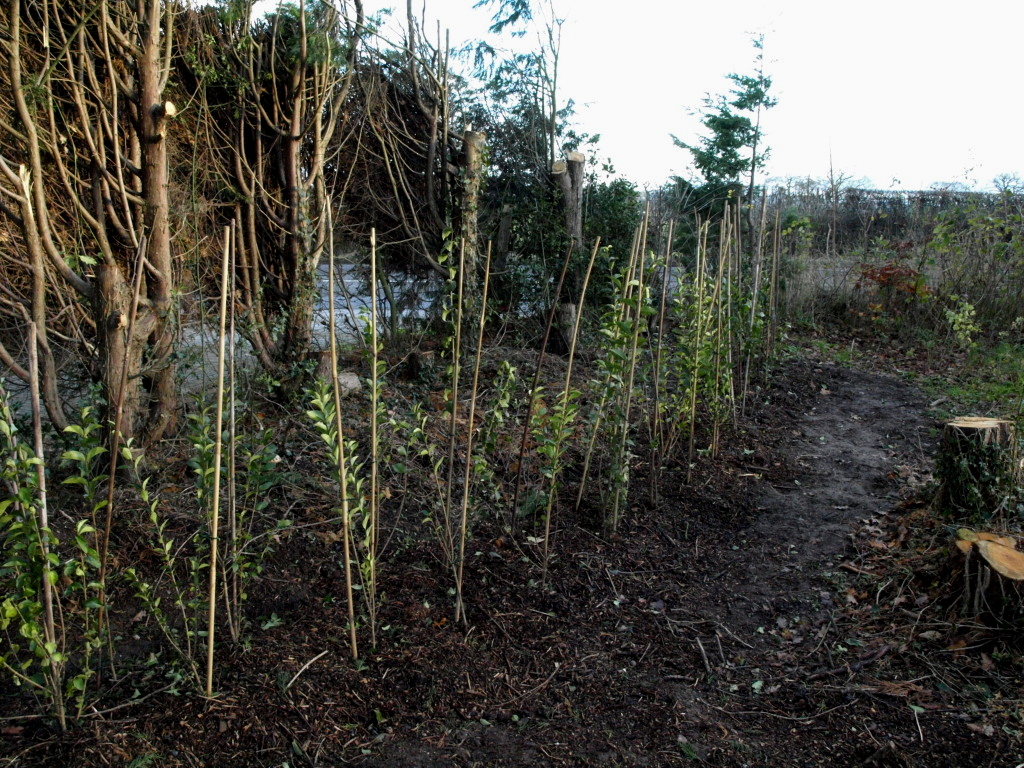
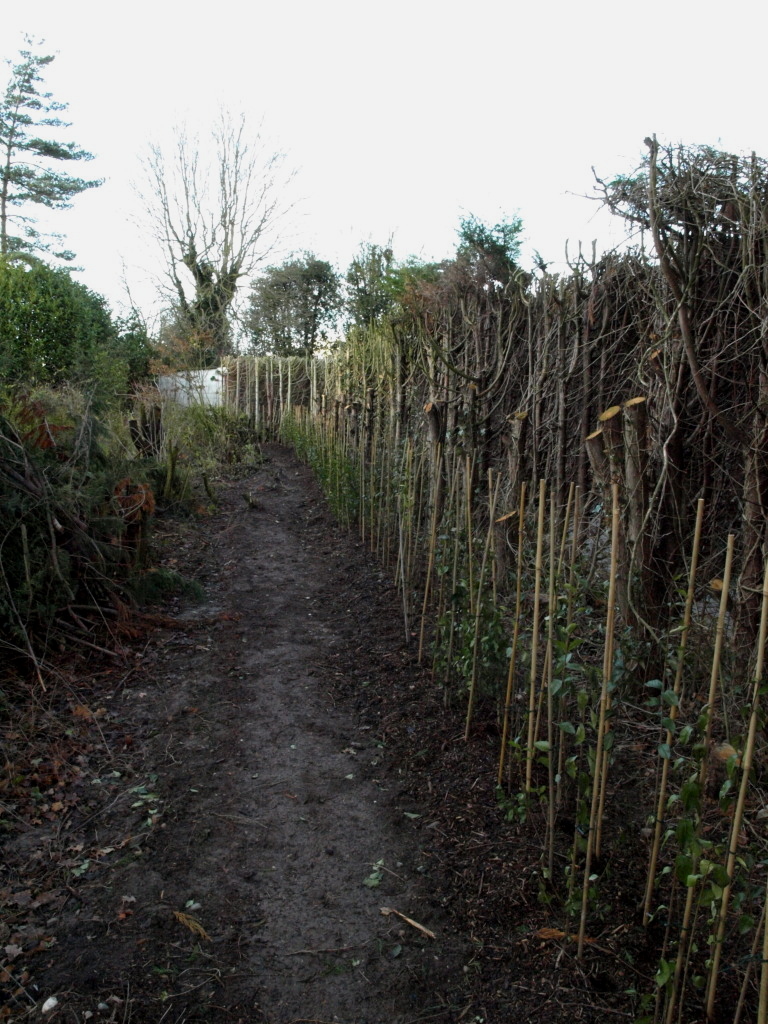
The plan is to cut out the back of the old hedge (it consists of two rows with a full width of around 130cm) and plant a double width privet hedge behind it. When this has grown to a reasonable height of 180cm or so we will cut down the other half of the cypress hedge.
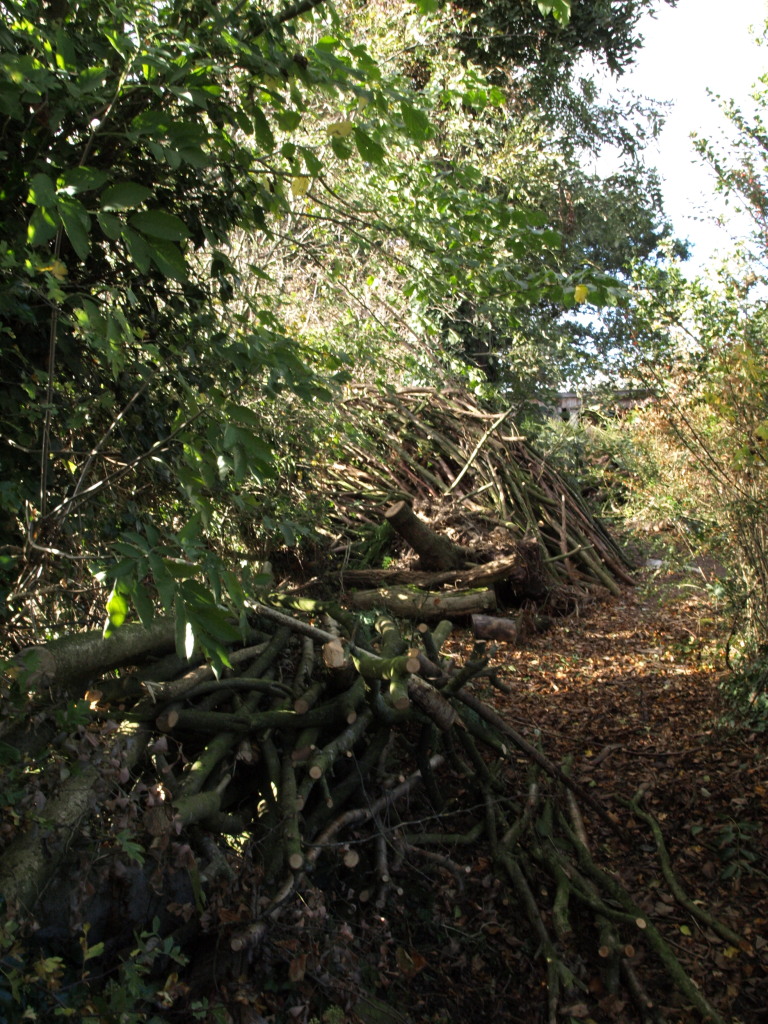
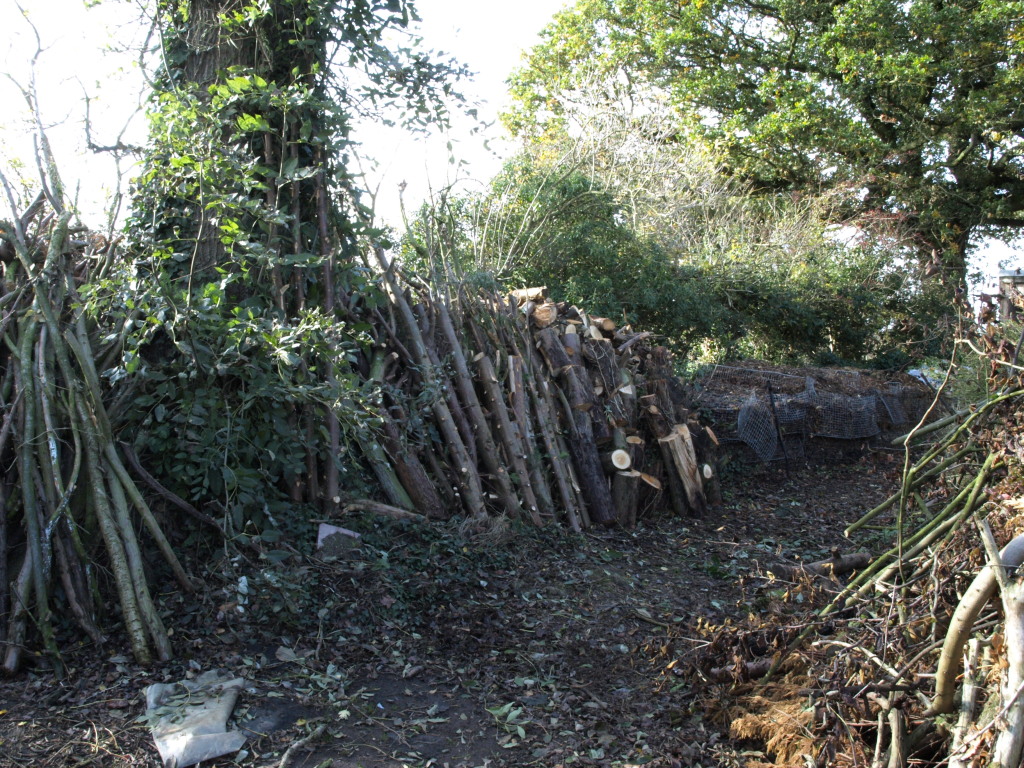
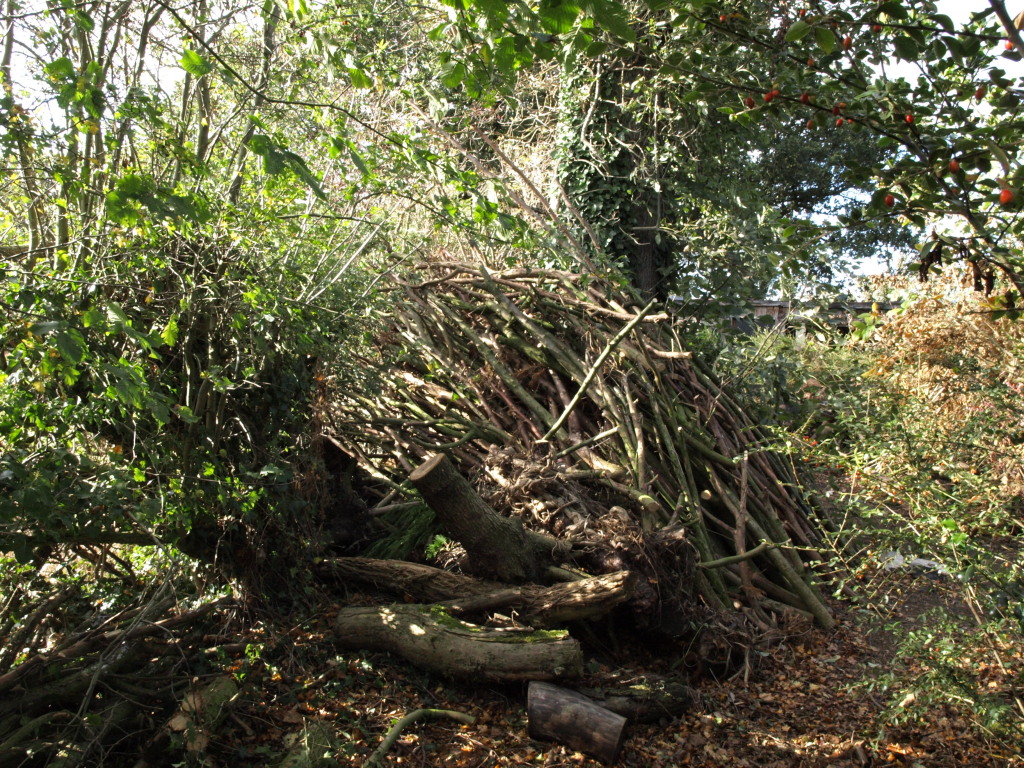
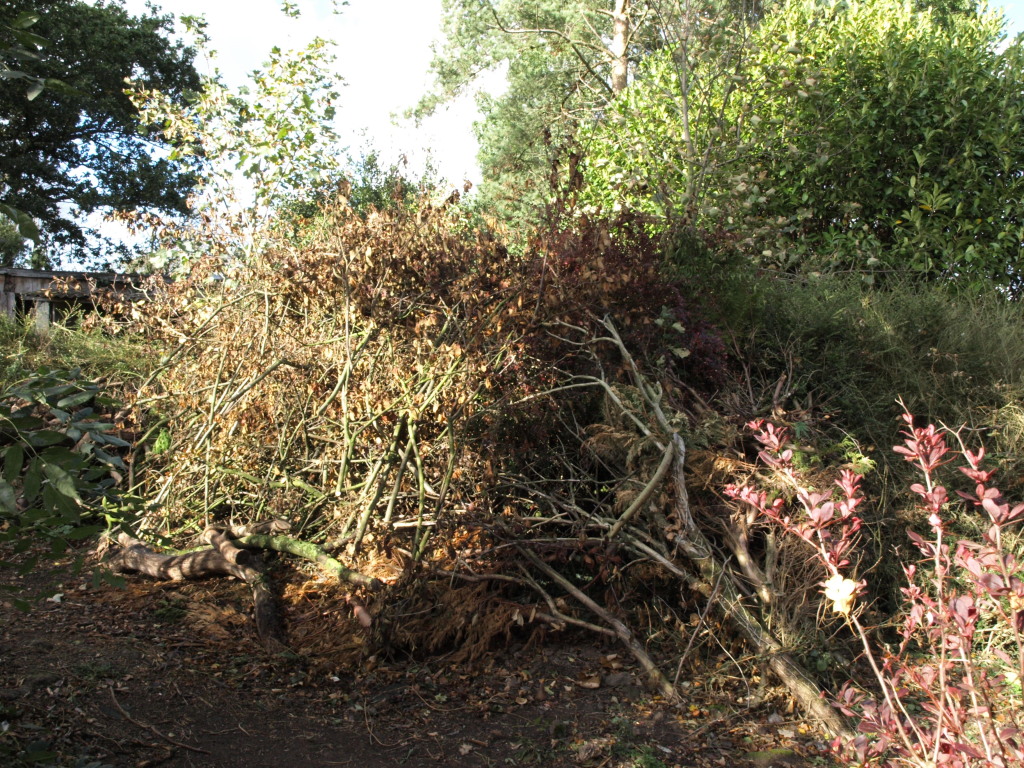
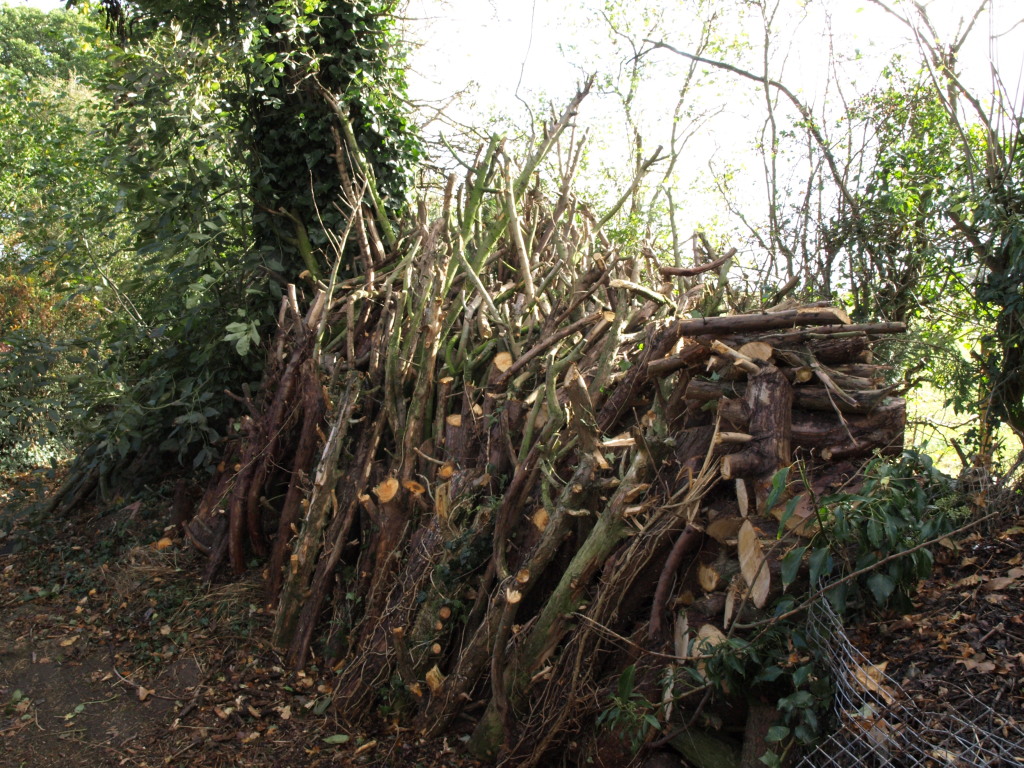
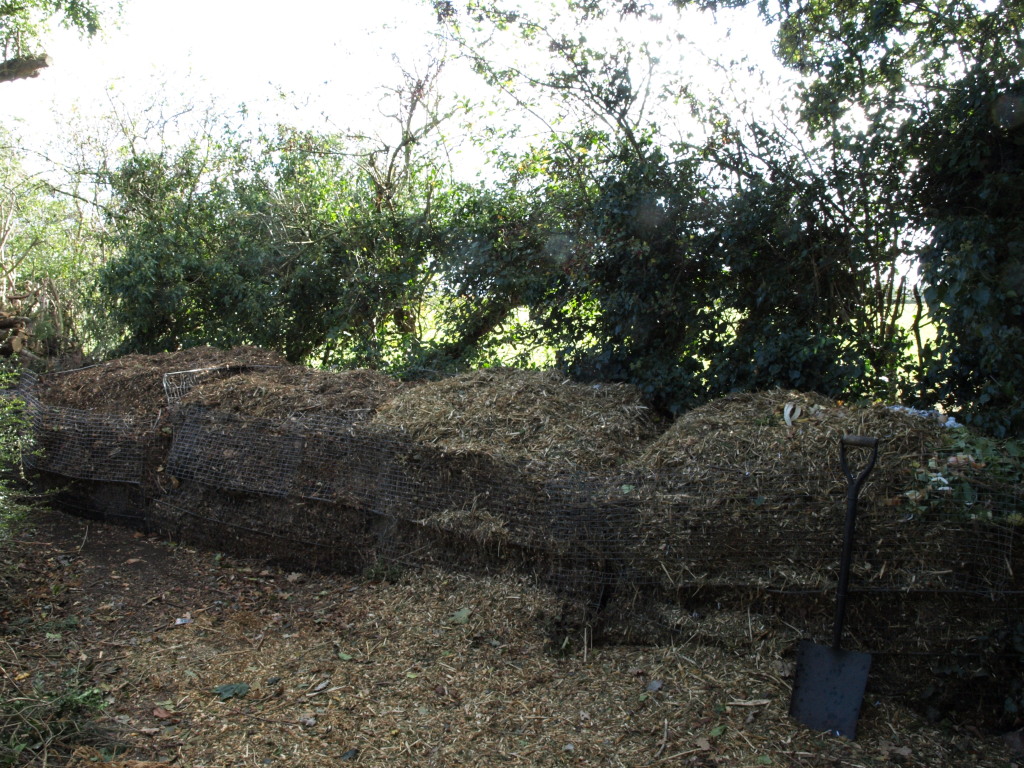
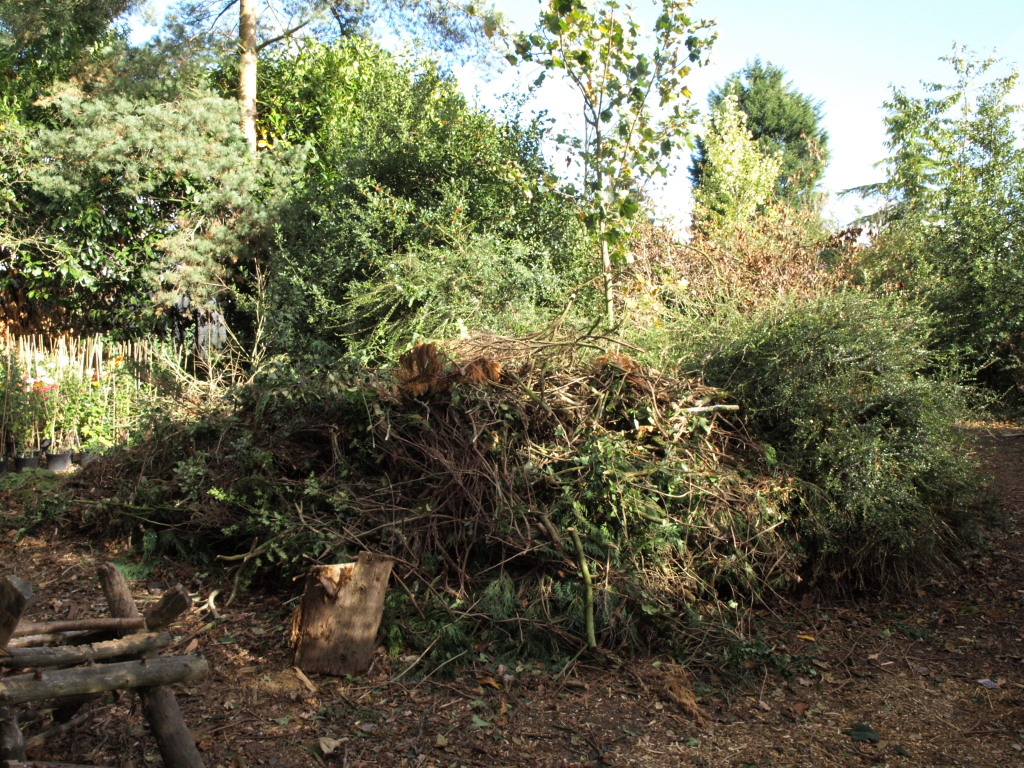
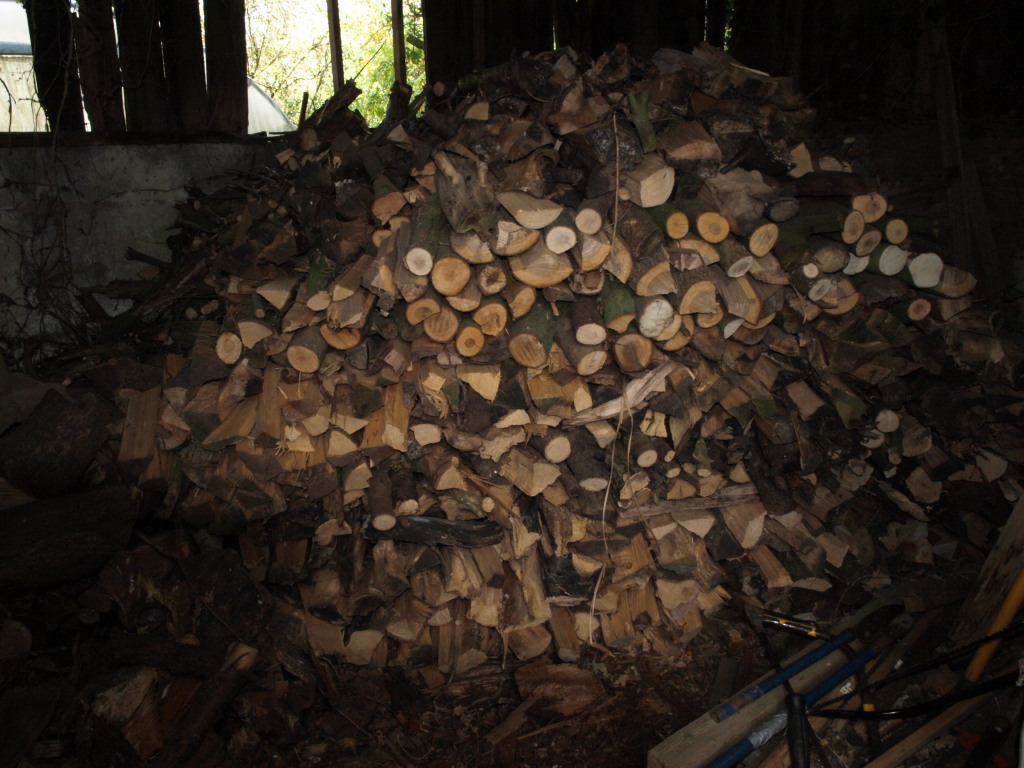
The whole hedge is around 60m long and contains around 100 individual plants, some of which have stems over 15cm wide and are around 2m high. At the road end of the hedge some of these have grown into trees up to 10m high with 20-25cm trunks. One, which I have never tried to restrain its growth, is one of the largest trees in the garden with a 40cm trunk and this I will leave. So a lot of work will be required to cut and remove these but the bonus will be plenty of twigs and small branches to shred into compost and mulcn and enough wood to last more than one winter. When we cut the other half of the hedge in 2 or 3 years time we shall get nearly as much wood again for more winter fuel.

| Visitor Counter: | |||||||
 |  |  |  |  |  | ||